
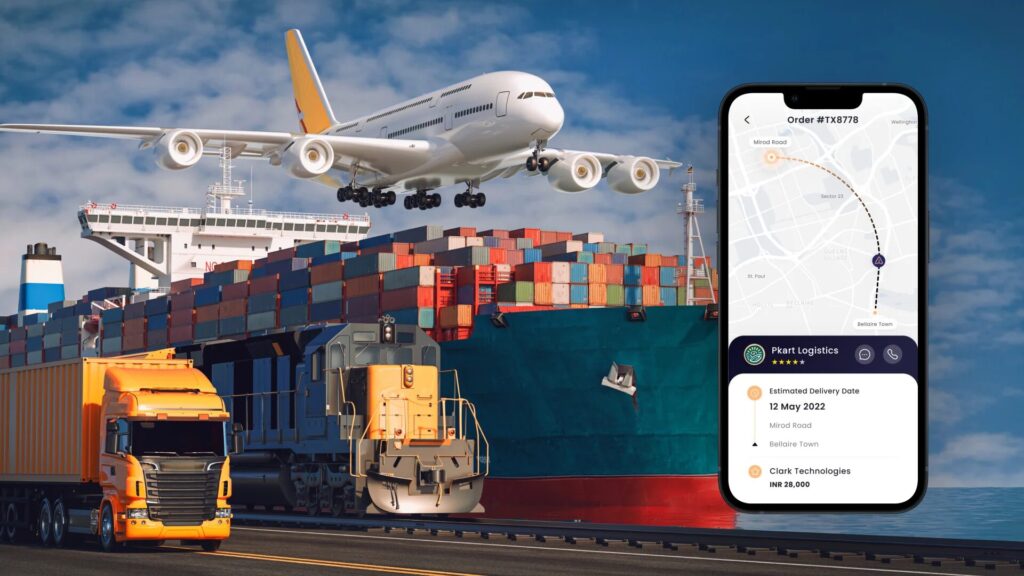
In today’s rapidly evolving logistics landscape, the efficiency of last mile delivery is crucial for businesses striving to meet customer expectations and optimize their supply chains. Cutting-edge mobile applications are revolutionizing last mile logistics, offering smart solutions that enhance operational efficiency, reduce costs, and support expanding teams. This article explores how mobile apps are transforming last mile logistics and the role of technology in driving innovation and scalability in logistics management.
The Importance of Last Mile Logistics
Last mile logistics, the final leg of the delivery journey from a distribution center to the customer’s doorstep, is often the most challenging and costly part of the supply chain. Efficient last mile delivery not only impacts customer satisfaction but also influences the overall operational cost. Mobile applications for logistics are increasingly being recognized as essential tools for optimizing this crucial segment of the supply chain.
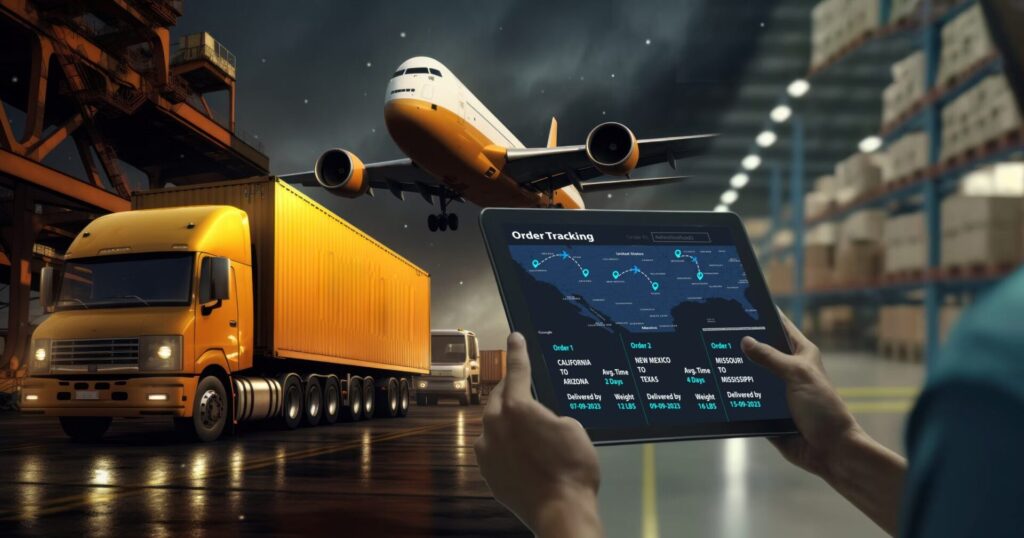
Smart Logistics Solutions for the Modern Era
One of the most significant advancements in last mile logistics is the integration of smart logistics solutions through mobile applications. These solutions utilize real-time data and analytics to streamline delivery processes, track shipments, and enhance route planning. By leveraging mobile technology, companies can achieve greater visibility into their delivery operations, which facilitates better decision-making and improved efficiency in last mile logistics.
The Role of Mobile Applications in Logistics Management
Mobile applications for logistics management play a pivotal role in modernizing last mile logistics. These apps offer a range of features designed to improve efficiency and accuracy. From real-time tracking and route optimization to automated notifications and customer feedback integration, mobile applications provide comprehensive solutions that address the complexities of last mile delivery.
For example, last mile optimization tools embedded in these apps help logistics companies identify the most efficient delivery routes, reducing travel time and fuel consumption. Additionally, custom logistics solutions can be tailored to specific business needs, ensuring that the technology aligns with the unique requirements of each company.
Development of Logistics Software: Enhancing Operational Efficiency
The development of logistics software has seen significant advancements, particularly with the rise of mobile applications. Modern logistics software incorporates features that streamline processes, such as automated scheduling, inventory management, and dynamic routing. These scalable solutions for companies are designed to adapt to varying business sizes and needs, making them ideal for startups and established enterprises alike.
Technology for startups has become increasingly accessible, enabling new players in the logistics industry to leverage advanced tools that were once reserved for larger organizations. This democratization of technology is driving innovation in logistics and allowing smaller companies to compete on a level playing field.
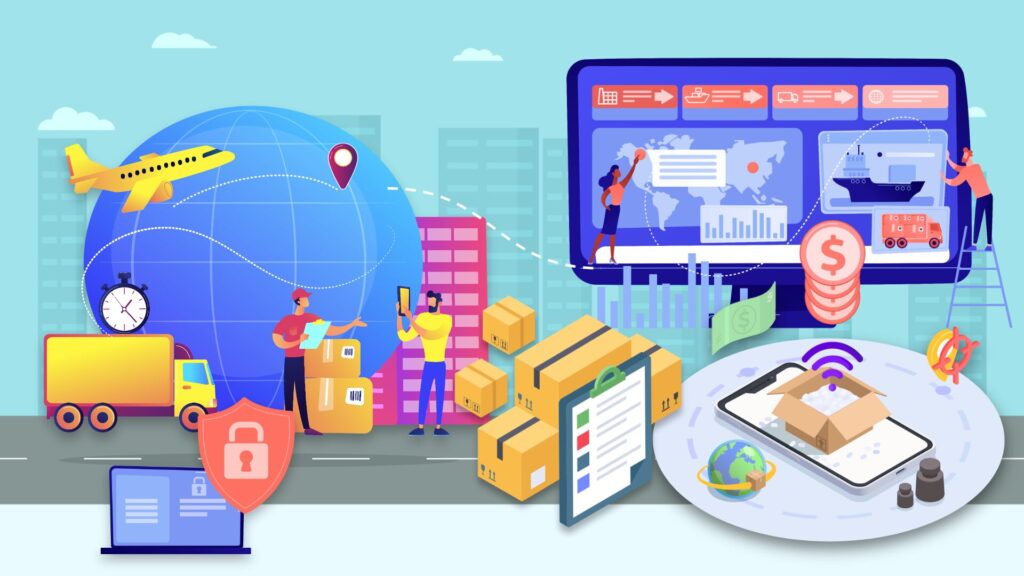
Innovation in Last Mile Technology
Innovation in last mile technology is driven by the continuous development of mobile applications and their ability to integrate with other logistics systems. Advanced features such as AI-powered predictive analytics, automated delivery scheduling, and real-time tracking have become standard in modern logistics apps. These innovations not only enhance operational efficiency but also contribute to cost reduction in logistics by minimizing errors and optimizing resource allocation.
Supporting Expanding Teams with Mobile Solutions
As companies grow, so does the complexity of their logistics operations. Mobile applications offer essential support for expanding teams by providing tools for seamless communication, task management, and performance monitoring. With mobile solutions, team members can stay connected, share real-time updates, and collaborate more effectively, regardless of their location.
Custom logistics solutions can be developed to address the specific challenges faced by expanding teams, ensuring that the technology evolves in tandem with the company’s growth. This adaptability is crucial for maintaining efficiency and scalability in logistics operations.
Conclusion
In conclusion, cutting-edge mobile apps are playing a transformative role in enhancing last mile logistics efficiency. Through smart logistics solutions, the development of logistics software, and innovations in last mile technology, businesses can achieve greater operational efficiency, cost reduction, and scalability. As the logistics industry continues to evolve, mobile applications will remain at the forefront of driving progress and supporting expanding teams.
By embracing these advancements, companies can ensure that their last mile logistics operations are not only effective but also future-ready, paving the way for continued success in a competitive marketplace.
