
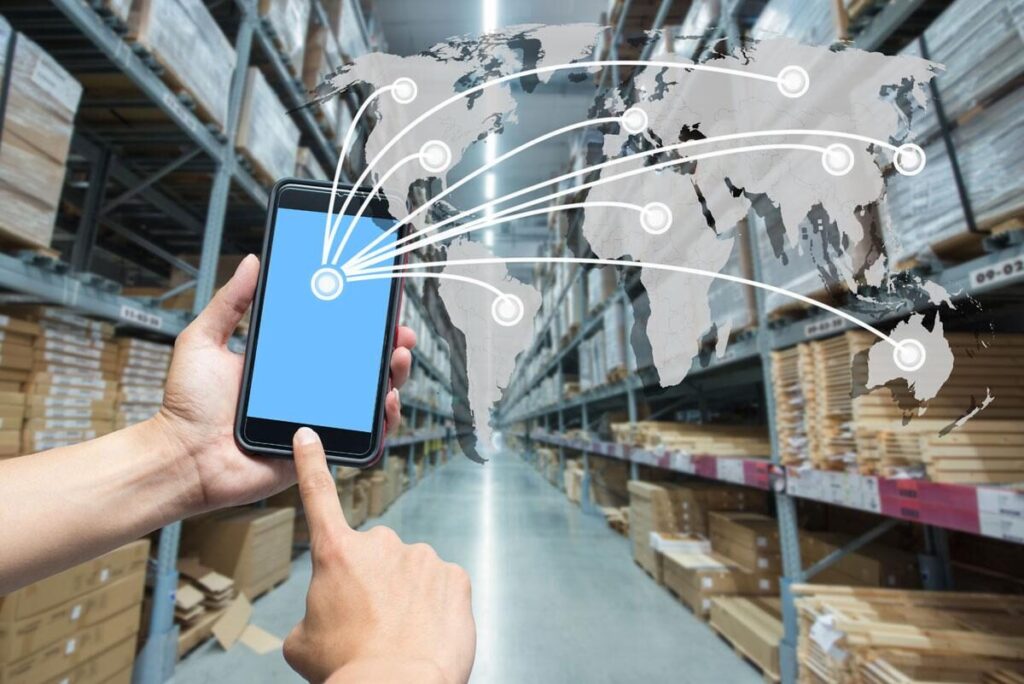
In the fast-paced world of logistics, the integration of cutting-edge mobile applications is revolutionizing the industry. Advanced mobile applications are transforming how companies handle their operations, particularly in the realm of Last Mile Logistics. This final stage of delivery is crucial, and optimizing it can lead to significant improvements in efficiency and cost reduction. Here’s how innovation in mobile applications is driving progress in logistics and what benefits these technologies bring to the table.
The Rise of Smart Logistics Solutions
The logistics sector has traditionally struggled with inefficiencies and high operational costs, especially during the Last Mile. However, Smart Logistics Solutions are now at the forefront of addressing these challenges. Mobile applications designed for logistics management provide real-time data, streamline communication, and offer actionable insights that enhance decision-making processes. This advancement helps companies manage deliveries more effectively, ensuring timely and accurate fulfillment.
Enhancing Efficiency Through Mobile Applications
One of the key benefits of mobile applications for logistics is their role in improving efficiency. These apps are equipped with features like route optimization, real-time tracking, and automated scheduling, which significantly enhance Efficiency in Last Mile Logistics. By using advanced algorithms, mobile applications can suggest the most efficient delivery routes, reduce fuel consumption, and minimize delays. This not only boosts operational efficiency but also contributes to cost reduction in logistics.
Custom Logistics Solutions for Diverse Needs
Every company has unique logistics requirements, and one-size-fits-all solutions often fall short. This is where Custom Logistics Solutions come into play. Mobile applications can be tailored to meet the specific needs of a business, offering scalable solutions that grow with the company. Whether it’s for a startup or a large corporation, custom apps provide the flexibility needed to address different logistical challenges. This adaptability is crucial for Support for Expanding Teams and managing increasingly complex supply chains.
Last Mile Optimization: A Game Changer
The Last Mile is often considered the most challenging part of the delivery process. Advanced mobile applications are crucial in Last Mile Optimization, helping companies overcome common obstacles such as traffic congestion, delivery windows, and customer expectations. With features like real-time tracking and predictive analytics, these applications allow logistics teams to make informed decisions and address issues before they escalate. This proactive approach leads to improved customer satisfaction and operational performance.
Development of Logistics Products: Future Trends
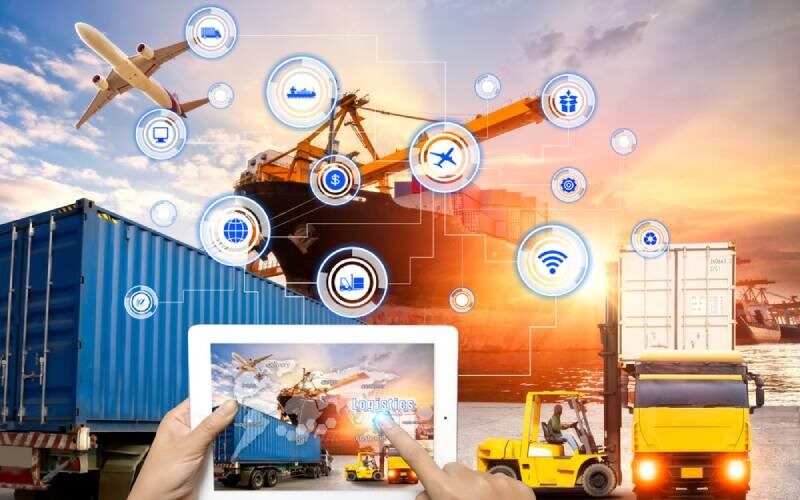
As technology continues to advance, the Development of Logistics Products is becoming more sophisticated. Mobile applications are at the heart of this evolution, integrating with other technologies such as IoT and AI to offer innovative solutions. These apps provide comprehensive support for logistics operations, from inventory management to customer communication. The future of logistics will undoubtedly see further advancements in mobile applications, making them an integral part of technology for startups and established companies alike.
Scalable Solutions for Companies of All Sizes
Scalability is a critical factor for companies looking to expand their logistics operations. Advanced mobile applications offer Scalable Solutions for Companies, ensuring that as a business grows, its logistics processes can keep pace. These applications can handle increasing volumes of data, support additional features, and integrate with other systems, making them a valuable investment for businesses planning for long-term growth.
Conclusion
Innovation in logistics is driven by the adoption of advanced mobile applications, which offer numerous benefits including Last Mile Optimization, efficiency improvements, and custom solutions tailored to specific business needs. As technology continues to evolve, these applications will play an increasingly important role in shaping the future of logistics. Embracing these innovations will help companies achieve greater efficiency, reduce costs, and enhance overall performance in the competitive world of logistics.
