In today’s fast-paced business environment, companies are constantly seeking ways to optimize operations and reduce costs. One critical area where businesses can make significant savings is in logistics, particularly through the adoption of last mile technology. The “last mile” refers to the final step in the delivery process, which typically involves moving goods from a transportation hub to their final destination — often the customer’s doorstep. With the rising demands of e-commerce and changing customer expectations, businesses are turning to smart last mile logistics solutions to improve efficiency and cut costs.
The Growing Importance of Last Mile Logistics
The last mile is not only the most crucial part of the supply chain but also the most expensive. Studies suggest that up to 53% of total shipping costs come from the last mile alone. This makes it a prime target for businesses looking to streamline operations. Implementing last mile optimization strategies can be a game-changer, significantly reducing delivery times and overall costs.
Businesses today face multiple challenges in ensuring timely deliveries while keeping expenses under control. The solution? Innovative technology, tailored specifically for last mile logistics. By investing in advanced logistics technologies, companies can ensure greater efficiency, minimize errors, and provide better service to customers without breaking the bank.
Leveraging Smart Logistics Solutions
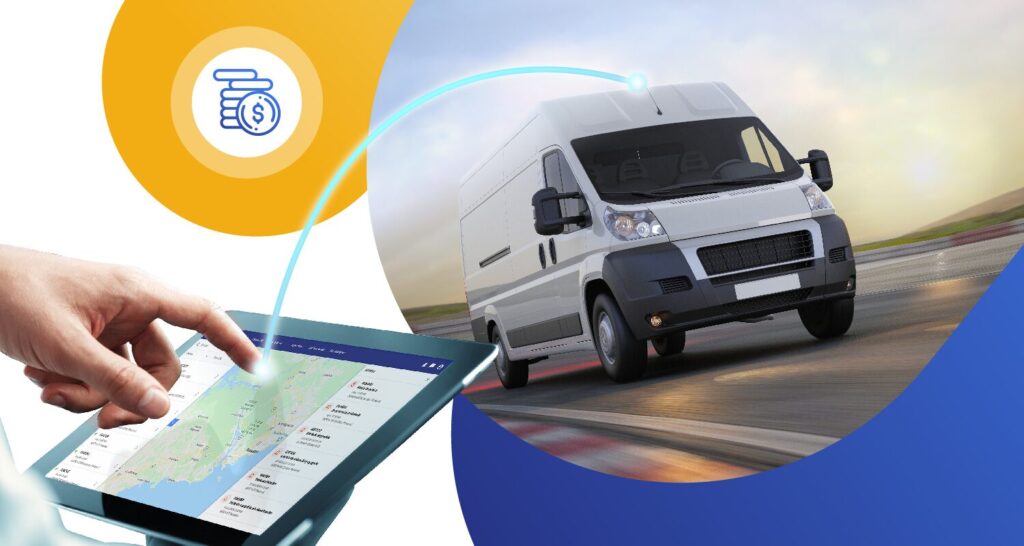
When it comes to trimming logistics costs, traditional methods are falling behind. Companies are now turning to smart logistics solutions that use technology to automate processes and improve delivery accuracy. These solutions include tools like mobile applications for logistics, which enable real-time tracking and route optimization, as well as cloud-based systems for managing inventory and deliveries.
By adopting custom logistics solutions, businesses can meet specific operational needs. For example, a company with a vast fleet of vehicles can use route optimization software to plan the most efficient delivery paths, saving time and fuel costs. Last mile technology not only provides better coordination but also boosts the productivity of delivery teams, which leads to reduced labor costs and higher profit margins.
Mobile Applications for Logistics: Enhancing Efficiency
Mobile apps have revolutionized various industries, and logistics is no exception. Mobile applications for logistics allow businesses to track deliveries in real-time, manage drivers, and ensure communication between all parties involved in the delivery process. These apps offer businesses the ability to monitor the progress of shipments, make changes to routes if needed, and notify customers about delivery statuses.
In addition, businesses using these apps can access valuable data about their operations. For instance, they can analyze delivery times, driver performance, and customer feedback to continuously improve their services. This data-driven approach allows companies to cut unnecessary costs and make informed decisions about their last mile logistics strategies.
Scalability and Flexibility in Logistics Technology
As companies grow, so do their logistics needs. This is where scalable solutions for companies come into play. Investing in last mile technology allows businesses to scale their logistics operations smoothly. Whether your company is a startup or a large enterprise, scalable logistics technology provides flexibility to adjust to growing demands without compromising efficiency.
Startups, in particular, can benefit from logistics technology that is cost-effective and easy to scale. By using technology for startups and small businesses, these companies can handle increasing volumes of deliveries without having to invest in costly infrastructure or additional staff. Similarly, larger companies can expand their operations by using scalable software solutions that can accommodate an increasing number of deliveries and customers.
Innovation in Logistics: The Future is Now
The logistics industry is undergoing rapid transformation due to advancements in technology. With continuous innovation in areas like automation, artificial intelligence (AI), and machine learning, the future of logistics looks brighter than ever. These technologies are driving change by enabling faster, smarter, and more reliable delivery services.
For instance, AI-powered route optimization tools can calculate the most efficient delivery routes in real-time, considering factors like traffic conditions, weather, and delivery time windows. This innovation reduces fuel consumption, which is a significant contributor to the high cost of last mile logistics. Additionally, autonomous delivery vehicles and drones are being tested as potential solutions to further cut delivery costs.
Businesses adopting these innovations are not only improving efficiency but also staying competitive in a rapidly evolving market. They can offer faster delivery times at lower costs, enhancing customer satisfaction and loyalty.
Cost Reduction in Logistics with Last Mile Technology
The ultimate goal of adopting last mile technology is to achieve significant cost reductions in logistics operations. By improving efficiency and optimizing delivery routes, businesses can cut fuel costs, reduce the need for additional drivers, and lower overall operational expenses. Furthermore, real-time tracking and data analytics provide visibility into the entire delivery process, enabling businesses to address bottlenecks and make continuous improvements.
Last mile optimization also helps businesses avoid costly delays and mistakes, such as late deliveries or incorrect shipments. By minimizing these errors, companies can save both time and money, allowing them to reallocate resources toward other critical areas of their business.

Supporting Expanding Teams with Custom Logistics Solutions
As businesses grow, their logistics teams often expand. Managing a larger team can present new challenges, but with support for expanding teams provided by advanced logistics technology, companies can manage this growth more effectively. Customizable logistics software allows managers to assign tasks, track driver performance, and ensure that deliveries are made efficiently — even as the business scales.
Applications for logistics management offer features like driver assignment, real-time tracking, and automated notifications to ensure that all team members are on the same page. These tools not only improve coordination but also help reduce the overhead costs associated with managing large teams.
Conclusion
Investing in last mile technology is a smart choice for any business looking to cut costs while improving efficiency. From mobile applications for logistics to scalable solutions for companies, businesses of all sizes can benefit from the latest innovations in logistics. By optimizing the last mile and embracing technology, companies can not only reduce operational costs but also offer better services to their customers. The future of logistics is here, and the businesses that adapt will lead the way in cost reduction and efficiency.