

In today’s fast-paced business environment, the logistics industry is experiencing a revolution, driven by the rise of technology and mobile applications. As companies strive to improve efficiency, reduce costs, and meet growing consumer demands, leveraging smart logistics solutions has become essential. From last mile logistics to mobile applications for logistics, companies are embracing digital tools to streamline operations and boost performance. Whether you’re a startup or a large enterprise, optimizing your logistics game can provide a competitive edge.
The Evolution of Logistics with Technology
Logistics has long been a complex puzzle of moving parts, requiring coordination between suppliers, warehouses, and delivery teams. However, with the advent of smart logistics solutions, this complexity is becoming more manageable. These solutions use advanced algorithms, real-time tracking, and automation to optimize every aspect of the logistics process.
One area where technology has significantly impacted is last mile logistics. Often the most costly and inefficient part of the delivery process, last mile logistics refers to the final leg of a shipment’s journey from a distribution center to the customer’s doorstep. Through last mile optimization, companies can reduce delivery times, minimize errors, and enhance customer satisfaction.
The Role of Mobile Applications in Logistics
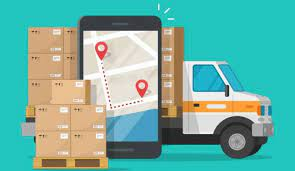
Mobile applications have become a cornerstone of modern logistics, offering real-time updates, route optimization, and inventory management. Mobile applications for logistics provide a dynamic platform for logistics managers to monitor shipments, track driver performance, and communicate with teams on the go. These applications offer solutions to challenges such as vehicle tracking, route planning, and delivery scheduling, making it easier for businesses to meet their logistics goals.
Mobile apps also play a critical role in efficiency in last mile logistics. By providing drivers with optimized routes, traffic updates, and customer preferences, businesses can reduce delivery times, lower fuel costs, and improve overall efficiency. In addition, customers benefit from real-time tracking, ensuring transparency and reliability in the delivery process.
Custom Solutions for Every Business
One of the key benefits of technology in logistics is its adaptability. Companies can now leverage custom logistics solutions tailored to their unique needs. From scalable solutions for companies looking to expand, to specialized tools designed to handle specific challenges, logistics software can be customized to meet any business requirement.
For example, startups can tap into technology for startups to develop lean, cost-effective logistics systems that are both scalable and adaptable. Larger companies, on the other hand, can use custom logistics solutions to integrate with existing systems, ensuring seamless operations as they scale.
This customization is essential for companies facing unique challenges, such as fluctuating delivery volumes or expanding into new markets. By developing logistics products that address these specific needs, companies can streamline operations, reduce costs, and increase scalability.
Cost Reduction and Efficiency Gains
The logistics sector has long been plagued by inefficiencies, with many companies struggling to control costs. However, smart logistics solutions are changing the game by enabling businesses to cut unnecessary expenses and boost operational efficiency.
One significant area of improvement is cost reduction in logistics. By utilizing technologies such as automation, AI-driven route optimization, and real-time tracking, businesses can eliminate waste, lower fuel consumption, and reduce the need for manual labor. In particular, last mile optimization has been a game changer in reducing delivery costs, as businesses can now predict traffic patterns, avoid congested routes, and consolidate deliveries in a more efficient manner.
Moreover, with the development of mobile applications for logistics, businesses can access valuable data insights, allowing them to make informed decisions that further reduce costs and improve performance. These apps also contribute to support for expanding teams by making it easier for logistics managers to oversee large, dispersed teams and coordinate multiple delivery routes.
Innovation in Logistics: The Future is Now
As companies continue to scale and compete in a global marketplace, innovation in logistics is critical to maintaining a competitive edge. Innovation in logistics is being driven by technologies such as AI, machine learning, and IoT, which are all helping to automate processes, improve accuracy, and increase transparency across the logistics chain.
One of the most exciting areas of innovation is the development of last mile technology, which is revolutionizing how companies approach the final stage of delivery. Autonomous vehicles, drone deliveries, and smart lockers are just a few of the innovations helping businesses improve delivery times and reduce costs.
By integrating these technologies into their logistics strategies, companies can not only enhance operational efficiency but also improve customer experience. With customers expecting faster and more reliable deliveries, applications for logistics management that offer real-time tracking, delivery updates, and automated communications are becoming essential.

Scalable and Sustainable Solutions
For companies aiming for growth, scalability is key. Scalable solutions for companies are designed to accommodate increasing demand without sacrificing efficiency or quality. Whether it’s handling larger delivery volumes, expanding into new markets, or managing a growing team, scalable logistics solutions allow businesses to grow without being held back by logistical challenges.
At the same time, sustainability is becoming an increasingly important consideration in logistics. Companies are seeking ways to minimize their carbon footprint, reduce waste, and improve fuel efficiency. By leveraging smart logistics solutions, businesses can optimize routes, reduce fuel consumption, and explore alternative delivery methods, such as electric vehicles or drones.
Conclusion
In the ever-evolving world of logistics, embracing smart solutions and mobile applications can make all the difference. From improving efficiency in last mile logistics to reducing costs and supporting expanding teams, technology is transforming the way businesses manage their logistics operations. Whether you’re a startup looking to implement technology for startups, or a larger company seeking custom logistics solutions, there’s no doubt that investing in smart logistics tools is key to staying ahead of the competition.
By staying agile, innovative, and focused on scalability, companies can elevate their logistics game and unlock new levels of efficiency, cost savings, and customer satisfaction.
