
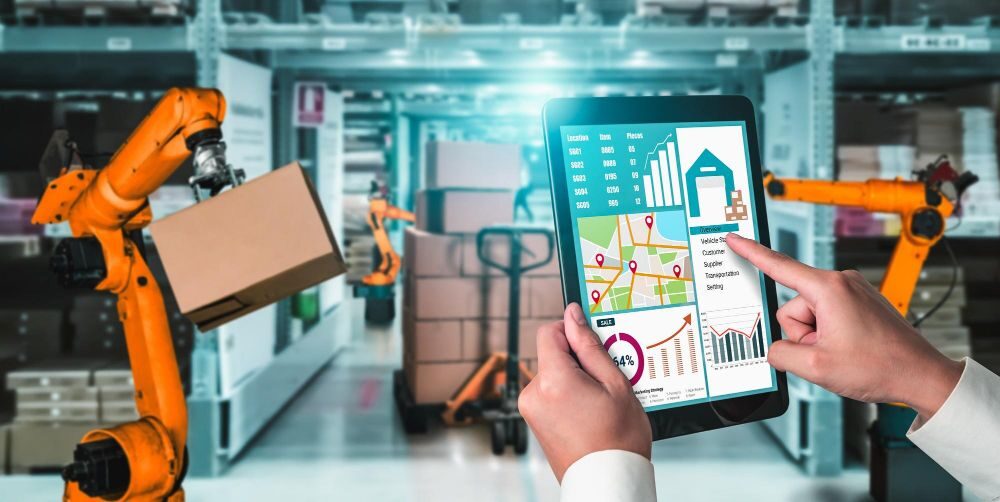
In the fast-paced world of logistics, transforming concepts into functional, efficient applications can significantly enhance operational effectiveness. The rapid development of custom logistics applications addresses the evolving demands of modern supply chains, particularly focusing on Last Mile Logistics, Last Mile Optimization, and other innovative solutions. This article explores how businesses can leverage technology to create scalable and cost-effective logistics solutions that meet their specific needs.
The Evolution of Logistics Applications
Logistics is no longer just about moving goods from point A to point B; it’s about optimizing every step of the supply chain to improve efficiency and reduce costs. One of the most critical phases of logistics is the Last Mile Logistics, where products are delivered to the final destination. This stage is often the most complex and expensive part of the delivery process, making Last Mile Optimization a top priority for companies aiming to enhance their logistics operations.
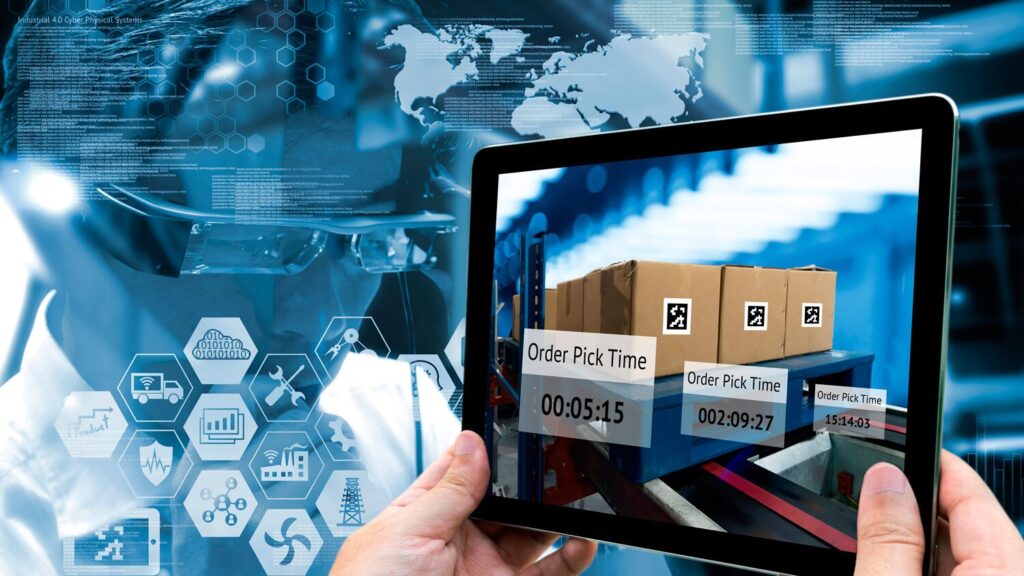
Custom logistics solutions are becoming increasingly essential as businesses seek to address unique challenges and leverage opportunities in their supply chains. With the rise of Smart Logistics Solutions and the integration of Last Mile Technology, companies can now develop tailored applications that streamline operations and improve delivery outcomes.
The Role of Custom Logistics Applications
Custom logistics applications are designed to address specific business needs and challenges. By focusing on mobile applications for logistics and scalable solutions for companies, businesses can develop tools that are not only effective but also adaptable to changing demands. Here’s how rapid development of these applications can benefit your logistics operations:
- Enhanced Efficiency: Custom applications can automate and streamline various aspects of logistics management, from inventory tracking to route planning. By integrating features like real-time tracking and automated updates, companies can achieve higher levels of efficiency in Last Mile Logistics and overall supply chain operations.
- Cost Reduction: Development of logistics software tailored to your business can help identify cost-saving opportunities. For instance, optimizing delivery routes and managing resources effectively can lead to significant cost reductions in logistics. Custom solutions also reduce the need for manual processes, further cutting down operational expenses.
- Support for Expanding Teams: As businesses grow, their logistics needs evolve. Custom logistics solutions can scale with your business, providing the support necessary for expanding teams and increasing operational complexity. Whether it’s integrating new features or adapting to new logistics strategies, custom applications offer the flexibility to support your company’s growth.
- Innovation in Logistics: Leveraging the latest technology in logistics software development can drive innovation. Incorporating advanced features like predictive analytics and AI-driven insights can enhance decision-making and provide a competitive edge. This innovation is crucial for staying ahead in a rapidly evolving industry.
Key Considerations for Developing Custom Logistics Applications
When embarking on the development of logistics products, it’s essential to consider the following factors to ensure the success of your application:
- User Experience: Ensure that the application is user-friendly and intuitive. An effective logistics application should simplify complex processes and enhance user interaction. Mobile applications for logistics, in particular, should be optimized for different devices and platforms.
- Integration Capabilities: Your custom solution should seamlessly integrate with existing systems and technologies. This ensures that data flows smoothly between various parts of your logistics operation, enhancing overall efficiency.
- Scalability: Choose solutions that can grow with your business. Scalable solutions for companies are crucial for adapting to increased demand and evolving business needs without requiring a complete overhaul of your system.
- Security: Given the sensitive nature of logistics data, security should be a top priority. Implement robust security measures to protect against data breaches and ensure compliance with relevant regulations.

Real-World Applications
Several companies have successfully implemented custom logistics solutions to address specific challenges and improve their operations. For instance, a leading e-commerce company developed a custom mobile application for logistics that streamlined Last Mile Logistics, reduced delivery times, and enhanced customer satisfaction. By focusing on Last Mile Optimization and integrating advanced technology, the company achieved significant improvements in efficiency and cost reduction.
Conclusion
The rapid development of custom logistics applications offers numerous benefits, from enhancing efficiency and reducing costs to supporting business growth and driving innovation. By focusing on Last Mile Logistics, Smart Logistics Solutions, and other key aspects of logistics management, businesses can create tailored solutions that meet their specific needs and address the challenges of modern supply chains.
With the right technology and approach, transforming your logistics concept into reality can lead to substantial improvements in your operations and a competitive advantage in the market.
