

In today’s fast-paced business environment, logistics has become the cornerstone of success for both budding startups and established corporations. With increasing demand, efficient and scalable logistics solutions have evolved from a luxury to a necessity. Whether a business is scaling up to support expanding teams or optimizing last-mile delivery, modern logistics solutions, including mobile applications for logistics, play a pivotal role. This article delves into how smart logistics solutions can be game-changers for growing teams and established companies, focusing on cost reduction, efficiency, and scalability.
Understanding Smart Logistics Solutions
Smart logistics solutions are technologies designed to streamline operations, reduce costs, and optimize processes across the supply chain. These solutions range from automated warehouses and cloud-based logistics software to mobile applications for logistics that provide real-time tracking. One of the key benefits of smart logistics solutions is their ability to scale with business growth, making them suitable for both small teams and large enterprises.
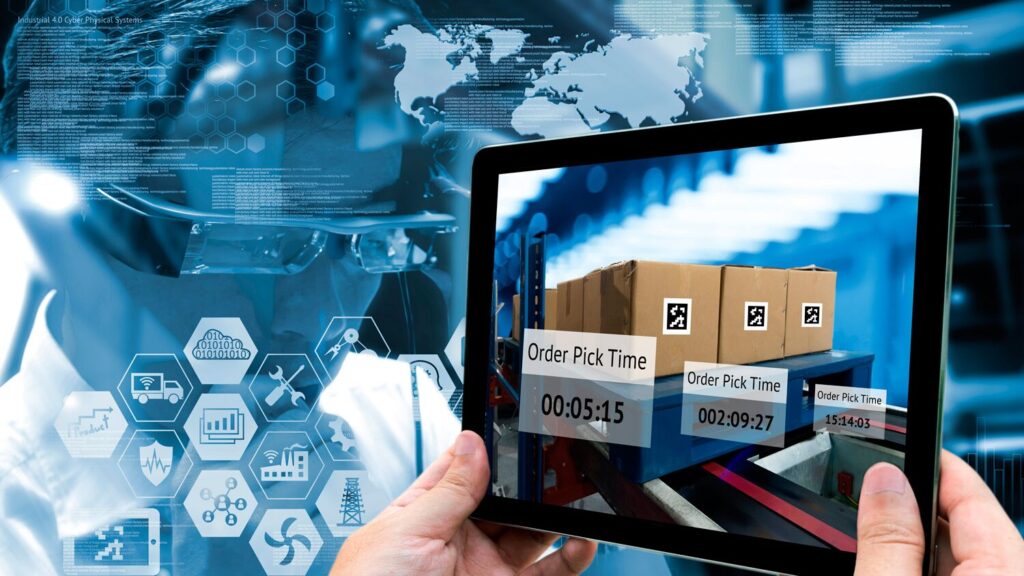
For expanding teams, adopting scalable solutions ensures that the logistical framework can grow alongside the company without significant overhauls or disruptions. On the other hand, established businesses can leverage smart logistics to refine and streamline existing processes, keeping them competitive and responsive to market changes.
Last Mile Logistics and Optimization
A critical component of logistics is last-mile delivery, which directly affects customer satisfaction. Last mile logistics refers to the final leg of a product’s journey to the customer. It’s a complex and costly stage, often accounting for a significant portion of the total delivery cost. Efficiency in last mile logistics is essential, especially for growing businesses with tight budgets.
Smart logistics solutions address this through last mile optimization, which reduces delivery times and costs. By using last mile technology, companies can enhance route planning, optimize driver schedules, and automate notifications, providing a seamless experience for both the business and its customers. This optimization is crucial for companies that are scaling up, as it helps manage delivery volumes without compromising service quality.
The Role of Mobile Applications in Logistics
Mobile applications for logistics have become indispensable for companies looking to improve communication, tracking, and overall efficiency. These applications provide real-time visibility into the supply chain, allowing businesses to monitor deliveries, track inventory, and communicate with drivers or partners.
For startups and small businesses, mobile applications offer affordable yet powerful logistics solutions that can be easily scaled as the business grows. Established companies, meanwhile, can use these applications to modernize their operations, ensuring seamless communication between departments, drivers, and clients. The development of logistics software and mobile apps specifically tailored to a company’s needs can provide a strategic advantage, promoting flexibility and quick adaptation to changing demands.
Custom and Scalable Logistics Solutions
As businesses grow, they face unique challenges that off-the-shelf logistics solutions may not adequately address. This is where custom logistics solutions come into play. Custom solutions are designed specifically to meet the unique requirements of a business, from specific tracking needs to custom reporting features.
For example, companies with a large geographic footprint may benefit from logistics applications that are highly adaptable to varying regional requirements. Custom logistics solutions also offer better data insights and analytics, allowing companies to make informed decisions. Scalable solutions for companies are especially important for those anticipating growth, as they offer long-term flexibility and adaptability without the need for major upgrades or system overhauls.
Innovation and Technology in LogisticsInnovation in logistics has introduced powerful tools that enhance efficiency and reduce costs. For instance, the development of logistics products like predictive analytics platforms allows companies to anticipate demand, adjust inventory levels, and improve customer satisfaction. Technology for startups has made it easier for young companies to integrate logistics solutions that were once only available to larger players.
Advanced technologies such as AI, machine learning, and IoT (Internet of Things) are also driving logistics innovation. AI-powered algorithms can analyze traffic patterns, weather, and other external factors to optimize delivery routes. IoT sensors provide real-time data on shipment conditions, ensuring products arrive intact and on time. These technologies provide a competitive edge and are integral to scaling up logistics operations.
Cost Reduction in LogisticsOne of the primary goals for growing businesses is cost reduction in logistics. Smart logistics solutions make this possible by minimizing inefficiencies and automating manual processes. Automated inventory management, for instance, reduces storage costs and waste. Last mile optimization helps cut fuel costs, while mobile applications eliminate the need for paperwork, saving time and resources.Cost reduction in logistics also supports a company’s ability to scale effectively. By investing in smart logistics solutions early on, businesses can keep operational costs low while simultaneously preparing for future growth. This is particularly important for startups and SMEs, which may lack the budget flexibility of larger enterprises.

Support for Expanding Teams
For companies experiencing rapid growth, logistical support for expanding teams is essential. Expanding teams often struggle with maintaining efficient communication and coordination, particularly if they are spread across multiple locations. Smart logistics solutions enable seamless collaboration between departments, ensuring everyone has access to the same data and insights.
Logistics applications offer tools for tracking progress, assigning tasks, and monitoring performance, all of which are critical when onboarding new team members or managing a larger workforce. By using technology to simplify operations, businesses can focus on what matters most—serving their customers and growing their market presence.
Conclusion
Scaling up logistics is no small feat, but with the right tools, it can be a seamless transition. Smart logistics solutions, mobile applications for logistics, and last mile optimization technology provide valuable support for growing teams and established businesses alike. Investing in scalable and custom logistics solutions ensures a strong foundation for future growth, while innovations in logistics technology bring opportunities for cost reduction and improved efficiency.
Whether your business is a startup or a well-established player, the development of logistics software tailored to your needs will make scaling up easier and more cost-effective. By embracing these solutions, you are not only meeting today’s logistical demands but also preparing for tomorrow’s opportunities.
