

In the fast-paced world of business, logistics plays a crucial role in ensuring the smooth flow of goods and services. For scaling companies, effective logistics can be the difference between meeting customer expectations and falling short. The rise of smart logistics solutions and technological advancements has revolutionized how businesses approach logistics, providing greater efficiency, adaptability, and cost-effectiveness. For startups and expanding companies, embracing technology for startups can be pivotal to achieving scalable solutions for companies that support growth and long-term success.
The Role of Technology in Modern Logistics
The logistics industry has witnessed a significant transformation in recent years, driven by the need for cost reduction in logistics and improved operational efficiency. Businesses can no longer rely on outdated processes, especially in the highly competitive market environment. Instead, they must turn to custom logistics solutions tailored to their specific needs, enabling them to stay ahead of the curve.

Technology now plays a central role in logistics, offering smarter ways to manage operations, track goods, and optimize delivery routes. These advancements have led to the development of logistics products that support every stage of the supply chain, from initial shipment to last mile logistics.
Last Mile Logistics: A Key Challenge for Scaling Companies
One of the most challenging and costly aspects of logistics is the last mile—the final stage of delivery, where goods reach the end customer. Inefficiencies in last mile logistics can lead to delayed deliveries, higher operational costs, and unsatisfied customers. As companies grow and expand their customer base, these issues can quickly compound, making efficiency in last mile logistics a top priority.
Last mile optimization is essential for businesses looking to scale. By implementing last mile technology, companies can streamline their delivery processes, reducing the time and cost associated with this critical phase of logistics. Mobile applications for logistics are one of the most popular tools for improving last mile logistics, offering real-time tracking, route optimization, and seamless communication between drivers and customers.
Smart Logistics Solutions: Enhancing Efficiency and Reducing Costs
For scaling companies, smart logistics solutions provide the key to addressing logistical challenges efficiently and cost-effectively. With the development of logistics software, companies can manage their entire logistics operation from a single platform. This includes order management, inventory tracking, fleet management, and delivery optimization. By automating these processes, businesses can achieve greater accuracy, faster decision-making, and significant cost reductions in logistics.
Mobile applications for logistics have become an essential part of this shift. These applications provide real-time updates, driver management tools, and route optimization features, ensuring that goods reach their destination promptly. Additionally, by integrating data from multiple sources, businesses can make informed decisions, further improving efficiency and customer satisfaction.
Custom Logistics Solutions for Expanding Teams
As companies grow, so do their logistical needs. This often involves dealing with larger teams, more complex operations, and an expanding geographical footprint. To ensure that logistics operations continue to run smoothly, businesses need custom logistics solutions designed to support their specific needs.
For startups and growing companies, scalable solutions for companies are critical to ensuring that logistics operations can grow alongside the business. These solutions allow companies to start small, focusing on core logistics needs, and expand their capabilities as their business grows. With the development of logistics software that can be tailored to meet the unique demands of a business, companies can scale their operations efficiently without sacrificing service quality.
Moreover, support for expanding teams is crucial in maintaining operational efficiency. With the help of smart logistics solutions, companies can manage larger teams more effectively, streamline communication, and ensure that everyone has access to the information they need to perform their tasks efficiently.
The Importance of Innovation in Logistics
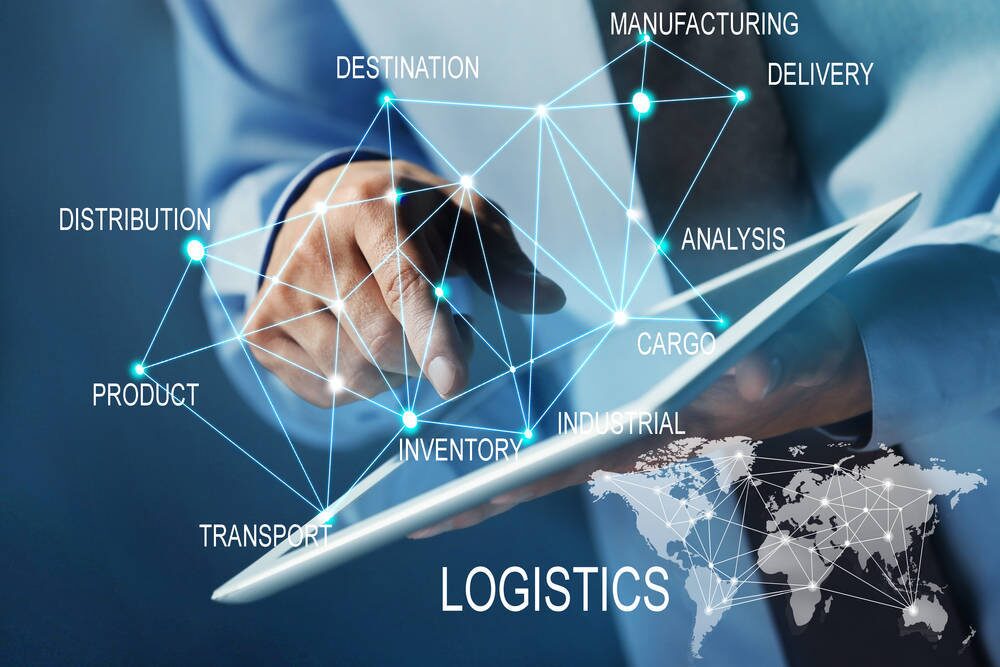
Innovation is at the heart of modern logistics. By embracing new technologies and thinking outside the box, companies can improve their operations, reduce costs, and provide better service to their customers. For example, applications for logistics management allow companies to keep a close eye on every aspect of their supply chain, from order placement to final delivery. These applications provide valuable insights, helping businesses identify bottlenecks and make improvements that drive efficiency.
Innovation in logistics also involves using data analytics to predict future demand, optimize inventory levels, and ensure that products are delivered to the right place at the right time. This data-driven approach not only improves operational efficiency but also helps businesses reduce waste, cut costs, and deliver a better experience to their customers.
Conclusion: Leveraging Technology for Growth
As companies look to scale and meet the demands of an increasingly complex market, smart logistics solutions offer the tools needed to succeed. From last mile optimization to custom logistics solutions, technology is transforming the way businesses manage their supply chains, providing the flexibility and efficiency needed to support growth. Whether it’s through mobile applications for logistics or the development of logistics software, businesses that embrace innovation in logistics will be well-positioned to thrive in the future.
By focusing on efficiency in last mile logistics, cost reduction in logistics, and providing support for expanding teams, companies can scale their logistics operations effectively and maintain a competitive edge. For scaling companies, leveraging the power of technology is no longer optional—it’s essential for success.