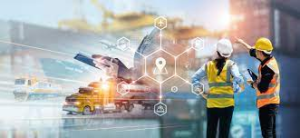
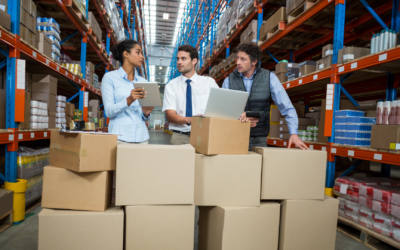
In recent years, the logistics industry has experienced a significant transformation, with technology leading the charge in redefining how companies manage the last mile of delivery. This “last mile,” the final step of getting products from a distribution hub to the customer, is often the most challenging and costly part of the supply chain. However, tech innovations in last mile logistics are helping businesses overcome these hurdles, offering scalable solutions that enhance efficiency and reduce costs. Whether you’re a startup or an established enterprise, understanding the latest developments in this field is crucial to staying competitive.
The Importance of Last Mile Logistics
Last mile logistics refers to the final phase of the delivery process when a product reaches the end consumer. This stage can be fraught with inefficiencies, from traffic congestion to miscommunication between drivers and customers. As e-commerce continues to grow, the demand for fast, accurate deliveries has placed immense pressure on logistics providers. Traditional methods are proving inadequate, leading to the development of logistics software and smart logistics solutions designed specifically to address these challenges.
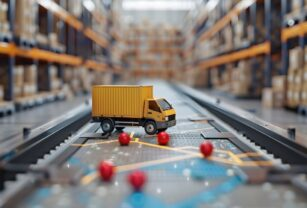
One of the key trends driving innovation in last mile logistics is the rise of mobile applications for logistics. These apps enable real-time tracking, route optimization, and seamless communication between drivers and customers, enhancing the overall delivery experience.
Smart Logistics Solutions: Revolutionizing the Industry
Smart logistics solutions are reshaping how companies approach last mile optimization. These solutions integrate various technologies such as artificial intelligence (AI), machine learning, and the Internet of Things (IoT) to make logistics more efficient. For example, AI-powered algorithms can predict traffic patterns and suggest alternative routes, while IoT devices allow for real-time tracking of vehicles and packages.
Such innovations in logistics don’t just improve speed—they also play a critical role in cost reduction in logistics. By minimizing idle time, fuel consumption, and delivery errors, companies can significantly lower their operational costs. This is particularly beneficial for startups and small businesses, as technology for startups is often designed to be scalable and adaptable, allowing them to compete with larger companies.
Development of Logistics Software: Custom Solutions for Every Need
The development of logistics software has been a game-changer for companies seeking custom logistics solutions tailored to their specific needs. Off-the-shelf solutions often lack the flexibility required to address the unique challenges of each business, which is why custom-built software is becoming increasingly popular.
Custom software can offer features such as real-time fleet management, predictive analytics, and automated customer notifications, ensuring that companies can provide a seamless delivery experience. Moreover, it can be easily integrated with existing systems, allowing for scalable solutions for companies as they grow and expand their operations.
Mobile Applications for Logistics: Enhancing Efficiency
In today’s fast-paced environment, mobile applications for logistics are essential tools for companies looking to streamline their last mile operations. These apps offer a range of features, including route optimization, driver management, and customer communication. By providing real-time updates, they ensure that all stakeholders—from drivers to customers—are kept informed throughout the delivery process.
Furthermore, these applications can improve efficiency in last mile logistics by offering dynamic routing options that adjust based on real-time data, such as traffic conditions and delivery windows. This level of optimization not only reduces delivery times but also minimizes fuel consumption, contributing to cost savings and environmental sustainability.
Last Mile Technology: Supporting Expanding Teams
As businesses scale, one of the major challenges they face is managing an expanding workforce. This is where last mile technology comes into play. Advanced logistics platforms can support expanding teams by providing tools for driver scheduling, performance tracking, and task allocation. These systems ensure that as the team grows, the logistics operations remain smooth and efficient.
In addition, such platforms often come equipped with data analytics capabilities, allowing companies to track key performance indicators (KPIs) and identify areas for improvement. This level of insight is invaluable for businesses looking to enhance their support for expanding teams while maintaining high levels of customer satisfaction.
Innovation in Logistics: The Road Ahead
The future of logistics is set to be dominated by further advancements in technology, particularly in the areas of automation and robotics. From drones delivering packages to autonomous vehicles navigating urban environments, innovation in logistics is showing no signs of slowing down.
For companies looking to stay ahead of the curve, investing in applications for logistics management and last mile technology is crucial. These tools not only enhance operational efficiency but also provide a competitive edge in an increasingly crowded market. Moreover, as customer expectations continue to rise, businesses will need to leverage technology to meet demands for faster, more reliable deliveries.
Conclusion
Tech innovations in last mile logistics are reshaping the delivery landscape, offering businesses of all sizes the opportunity to enhance efficiency, reduce costs, and improve customer satisfaction. From mobile applications for logistics to custom-built software solutions, the tools available today are designed to tackle the unique challenges of last mile delivery. As the industry continues to evolve, staying informed about the latest developments will be key to maintaining a competitive advantage.
Companies that embrace these innovations will not only improve their last mile operations but also position themselves for long-term success in an ever-changing marketplace.